Trauma Coping Tools for Daily Emotional Reset
Use trauma coping tools when triggers, panic, or emotional overwhelm hit. This trauma toolkit is free, online, private, and no signup is required.
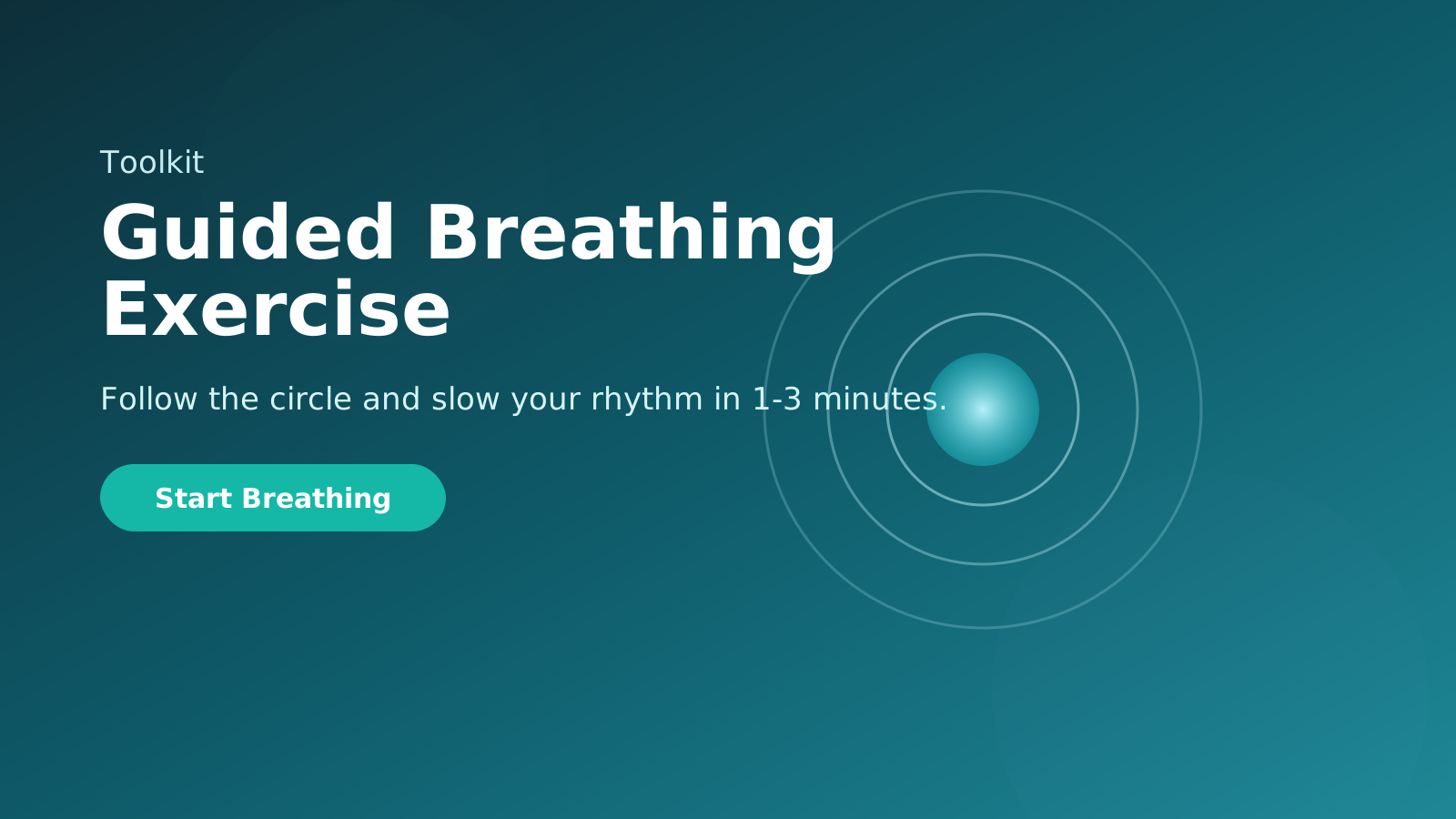
A guided breathing exercise to calm your nervous system fast, using a visual breathing circle for grounding techniques for trauma and stress relief.
Start BreathingAn anonymous online feelings journal to write out intrusive thoughts, process triggers, and use trauma informed coping strategies without pressure.
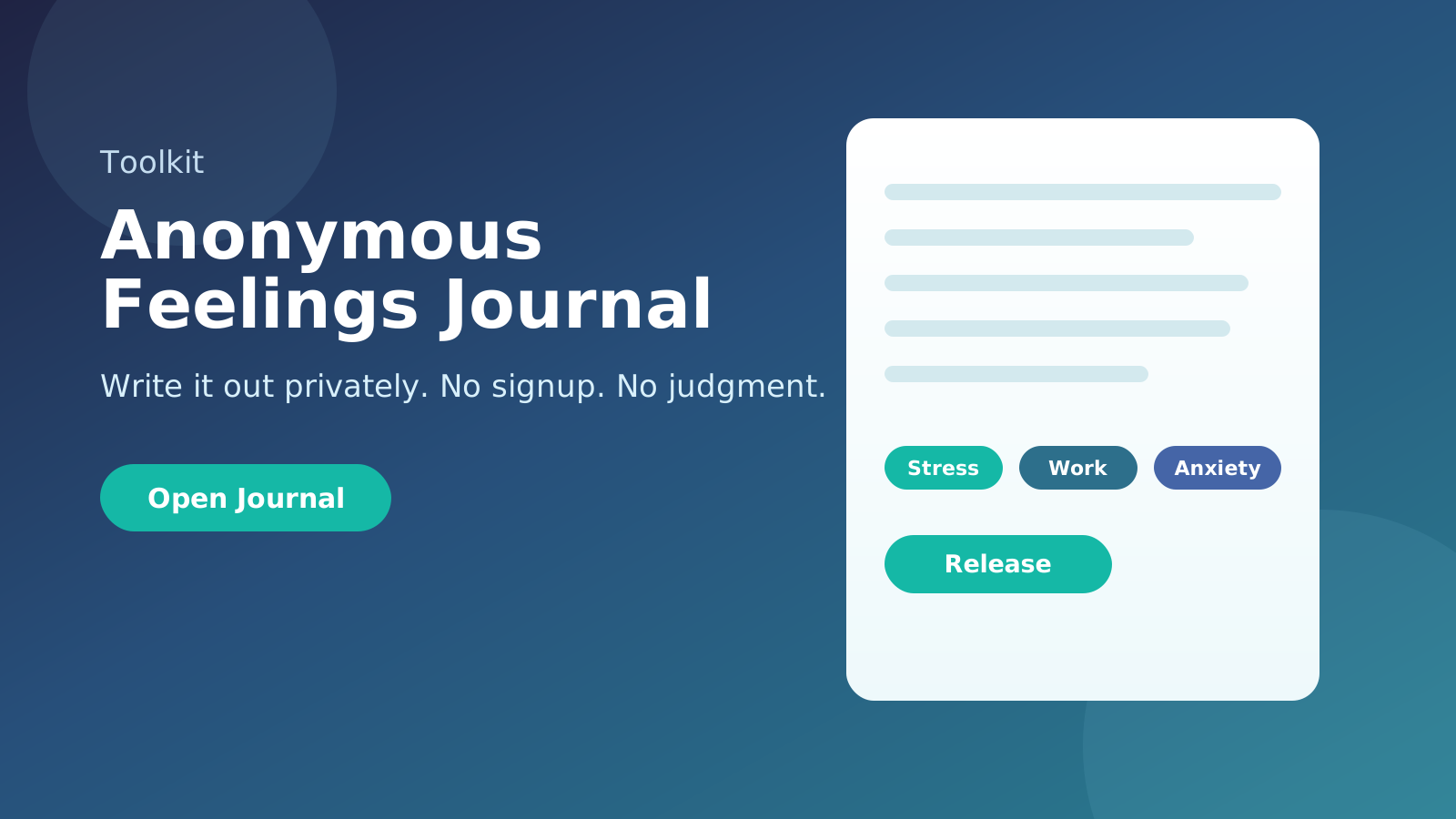
Open JournalAbout This Trauma Toolkit
These trauma coping tools are built for moments when your body feels unsafe or your emotions spike too fast to think clearly. The goal is practical support you can use immediately, not complex theory.
Inside this trauma toolkit, you can choose between a guided breathing tool and an anonymous feelings journal. Together they cover grounding tools, emotional regulation tools, and self-regulation exercises for different stress states.
Everything runs online in your browser, with no signup and no app download. The journal is designed as trauma-informed self care, with local storage behavior that supports privacy-first use.
Why These Trauma Coping Tools Are Easy to Use
Start in Seconds, No Signup
Open a tool instantly when triggers start, so you can act quickly instead of waiting through account setup.
Breathing and Journaling Options
Use breathing for panic and body activation, or use the journal when thoughts loop and intrusive memories feel loud.
Private, Low-Pressure Design
The tools are built as calming techniques with simple controls, helping you cope with trauma symptoms without extra cognitive load.
Works Across Phone and Desktop
Use these stress relief tools at work, at home, or at night whenever you need coping strategies for emotional overwhelm.
These trauma coping tools support self-care and distress tolerance skills, but they are not medical advice or a substitute for diagnosis or treatment.
If you need deeper assessment support, explore our trauma test resources for next-step guidance.
Real-Life Use, Short Sessions, Better Stability
Maya R.
When I get triggered at work, I open the breathing tool for two minutes and my body stops spiraling so fast.
Ethan L.
The anonymous journal helps me cope with intrusive memories at night because I can write everything out without explaining it perfectly.
Nora T.
I use both tools as anxiety coping tools: breathing first, then journaling. That sequence keeps emotional overwhelm from taking over my evening.
Toolkit FAQs
What are the best coping tools for trauma?
The best trauma coping tools are the ones you can use quickly and consistently. Start with guided breathing for body activation and use the journal for thought overload. Combine both for a practical coping strategies list.
What can I do when I get triggered?
Use a short, immediate regulation step instead of forcing analysis. Start a one to three minute breathing cycle or write a fast emotional dump entry. Pick the tool that feels easiest in that moment.
How do I calm down after a trauma trigger?
You can calm down by lowering arousal first, then organizing thoughts. Use guided breathing to slow your rhythm, then journal what happened and what you need now. Repeat in brief rounds until your body settles.
What are grounding techniques for trauma?
Grounding techniques for trauma bring attention back to the present through body, breath, and sensory focus. Try paced inhale and exhale with the breathing circle and name what you feel right now. Keep the step simple and repeatable.
How do I stop a flashback in the moment?
You may not stop it instantly, but you can reduce intensity and regain orientation. Start slow breathing, look around the room, and anchor to present details. Use the journal afterward to process and recover.
What are quick coping skills when I feel overwhelmed?
Quick skills work best when they are short and concrete. Try a one-minute breathing reset or a brief brain-dump entry with trigger tags. Use whichever action feels lower effort right now.
What coping skills help with dissociation?
Coping skills for dissociation should increase present-moment awareness without overload. Start with visual breathing plus physical orientation cues, then write simple grounding notes in the journal. If symptoms persist, seek professional support.
What can I do when my emotions feel too big?
Break the moment into two steps: regulate first, reflect second. Use breathing to lower intensity, then use the journal to name feelings and needs. This sequence supports emotional regulation tools in real time.
What are trauma-informed self care tools?
Trauma-informed self care tools prioritize safety, choice, and low pressure. Use tools that do not force disclosure, minimize friction, and support pacing. This trauma toolkit is designed around those principles.
How do I cope with trauma anxiety at night?
Night anxiety responds well to short calming routines. Start a gentle breathing session, lower stimulation, and write intrusive thoughts out of your head before sleep. Keep sessions brief and repeat if needed.
Can coping tools replace therapy?
No, coping tools do not replace therapy. Use them as daily support between sessions or while preparing to seek care. They help with stabilization, not diagnosis or treatment.
When should I talk to a professional about trauma?
Talk to a professional when symptoms persist, worsen, or disrupt sleep, work, or relationships. Start with these trauma coping tools for immediate support, then seek structured care for deeper recovery. Early support often improves outcomes.
Start a Trauma Coping Session Now
Choose one tool and take five focused minutes to regulate. These trauma coping tools are free, private, and ready whenever you need support.