Toxic Stress Examples in Children and Adults
Toxic stress examples can be confusing because the same event does not affect every person in the same way. A hard exam, a move, or a tense week at work may feel stressful, but it usually becomes less harmful when there is rest, safety, and support afterward. Toxic stress is different: it describes a strong, frequent, or prolonged stress response that keeps the body on alert without enough protection or recovery. If you are trying to understand whether stress, trauma, or childhood adversity may be part of your story, Trauma Test offers private trauma self-reflection tools that can support learning without replacing professional care.
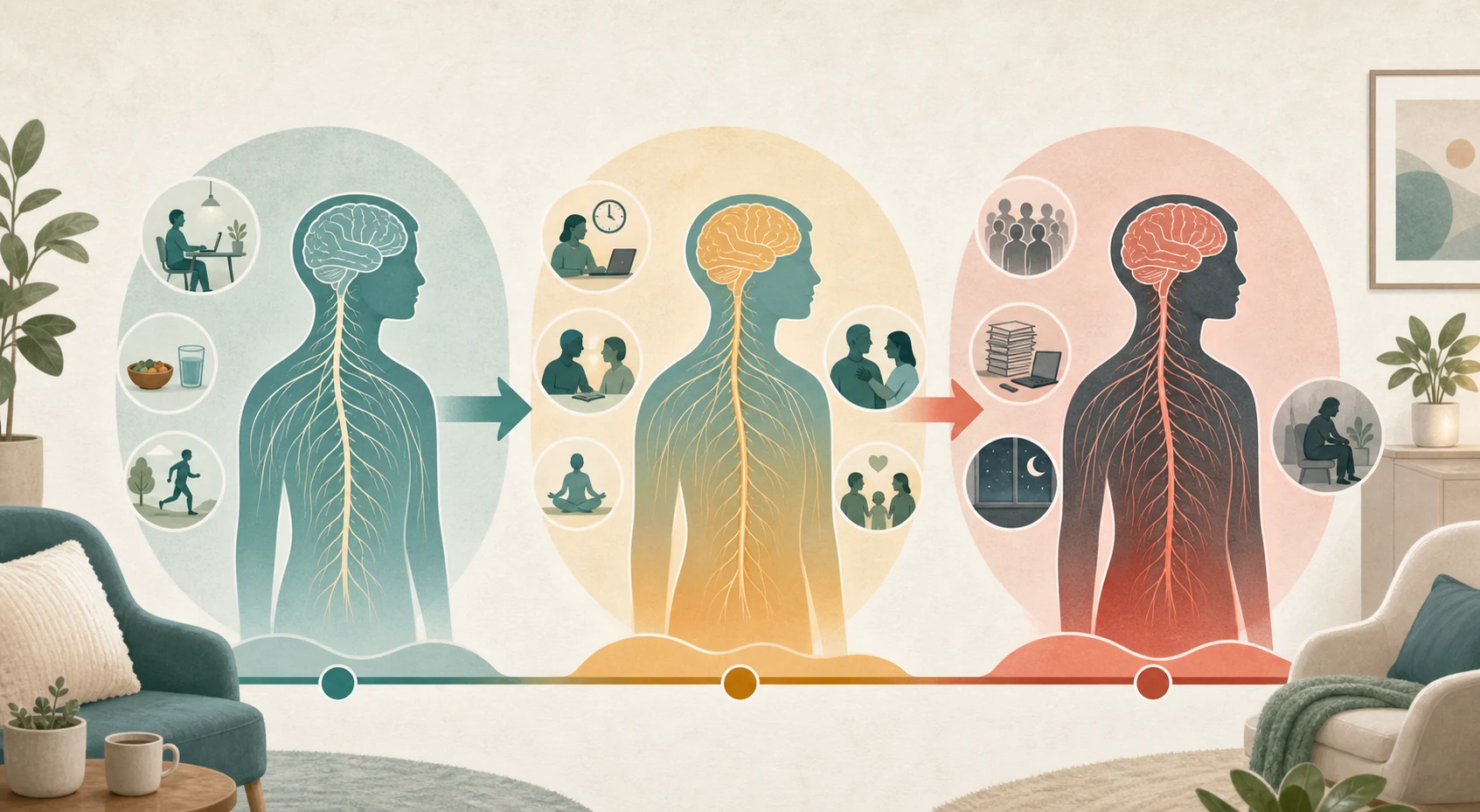
What Toxic Stress Means in Real Life
Stress is the body's built-in alarm system. When a challenge appears, your heart may beat faster, breathing may quicken, attention may narrow, and muscles may prepare for action. This response can be useful when it rises for a short time and then settles.
Many experts describe three broad stress response patterns. Positive stress is brief and manageable, such as the nerves before a school presentation or a first day at a new job. Tolerable stress is more intense, such as grief after a loss or fear after an accident, but it is buffered by time, safety, and supportive people. Toxic stress is the pattern most likely to cause concern: the alarm stays activated too often or too long, especially when a child or adult does not have enough reliable support.
That distinction matters because toxic stress is not defined only by the event. It is also shaped by duration, intensity, control, timing, and support. A child who experiences a frightening event but is protected by a calm, consistent caregiver may recover differently from a child who faces ongoing fear alone. An adult who has financial pressure but strong support, rest, and choices may respond differently from an adult trapped in long-term threat, isolation, or instability.
Toxic Stress Examples in Children
Toxic stress in children often develops when a young nervous system has to stay alert in conditions that feel unsafe, unpredictable, or emotionally overwhelming. Children depend on adults to help them calm down, name feelings, and return to a sense of safety. When that support is missing, the stress response may become a daily state instead of a short reaction.
Common examples include:
- Chronic neglect, such as regularly lacking comfort, supervision, food, hygiene, medical attention, or emotional responsiveness.
- Repeated exposure to family violence, frightening conflict, or threats in the home.
- Physical, emotional, or sexual abuse.
- Living with a caregiver whose untreated mental health or substance use problems make the home feel unpredictable or unsafe.
- Long-term housing instability, extreme poverty, discrimination, or community violence without enough protective adult support.
- Ongoing bullying, humiliation, or social threat that adults do not notice or address.
These examples are not labels for a child. They are signals that a child may need more safety, steadier relationships, and professional support. Younger children may have frequent tantrums, sleep problems, clinginess, stomachaches, headaches, regression, or withdrawal. Older children and teenagers may seem defiant, numb, anxious, irritable, risk-taking, disconnected, or unable to focus.

Toxic Stress Examples in Adults
People often search "what is toxic stress in adults" because the phrase is most often discussed in child development. Adults can experience toxic stress too, especially when pressure is chronic, emotionally overwhelming, and hard to escape.
Examples of toxic stress in adults can include:
- Long-term emotional, physical, or financial abuse in a relationship.
- Chronic workplace bullying, harassment, discrimination, or fear of job loss with little control or support.
- Ongoing caregiving strain without rest, respite, or help from others.
- Housing insecurity, food insecurity, or debt pressure that keeps the body in survival mode.
- Living with untreated trauma reminders, hypervigilance, or constant fear after past adversity.
- Chronic illness, pain, or medical uncertainty combined with isolation and few practical resources.
- Immigration, legal, community, or identity-related stressors that repeatedly threaten safety or belonging.
Signs of toxic stress in adults may show up emotionally, cognitively, physically, and behaviorally. Some people feel constantly tense, irritable, numb, guilty, or easily overwhelmed. Others notice brain fog, forgetfulness, trouble making decisions, sleep changes, digestive discomfort, headaches, muscle tension, or a sense of being on guard. Some cope by overworking, avoiding people, overspending, overeating, using substances, or shutting down.
None of these signs proves one specific condition. They are invitations to pause and ask better questions: How long has this been going on? Do I get real recovery time? Do I have safe people nearby? If you want a private way to organize those questions, trauma self-assessment resources can be a gentle educational starting point. A trauma-informed therapist, counselor, physician, or crisis service can help when stress feels unmanageable or safety is at risk.
What Causes Toxic Stress in Child Development
In child development, toxic stress is closely tied to repeated adversity without enough buffering support. The word "buffering" is important. Children borrow regulation from adults. A safe adult can offer comfort, protection, structure, and practical help. Without that buffer, the child's body may have to carry more alarm than it is built to carry alone.
Several conditions can raise the risk: repeated threat, chronic deprivation, relational unpredictability, and social stressors such as racism, community violence, or family economic hardship. The common thread is not one bad day. It is ongoing strain without enough safety, choice, or dependable adult support.
Toxic stress effects can touch learning, attention, emotional regulation, immune function, sleep, relationships, and physical health. This does not mean a child's future is fixed. It means the child's body has been working hard to survive, and the environment around the child needs to become safer, steadier, and more supportive.
Toxic Stress Effects to Notice Without Self-Labeling
It is natural to wonder about symptoms of toxic stress when your body or a child's behavior seems hard to understand. A safer approach is to notice patterns without turning them into a fixed identity.
Possible body patterns include:
- Frequent headaches, stomachaches, fatigue, or muscle tension.
- Sleep problems, nightmares, or waking already tense.
- Changes in appetite, digestion, or energy.
- A fast alarm response to small triggers.
Possible emotional and behavioral patterns include:
- Feeling unsafe even when nothing obvious is happening.
- Trouble calming down after conflict.
- Irritability, shutdown, numbness, panic, or tearfulness.
- Avoidance of reminders, people, places, or tasks.
- Difficulty focusing, remembering, planning, or finishing everyday responsibilities.
For children, the same stress may look like behavior instead of words. A child may melt down, cling, withdraw, lose skills they had already gained, seem unusually watchful, or struggle at school. For adults, toxic stress may look like constant overfunctioning, emotional exhaustion, or a cycle of pushing through and crashing.
If the stress is connected to immediate danger, safety comes first. If it is connected to long-term strain, the next step is usually support, not self-blame.
Can Toxic Stress Be Reversed or Reduced?
Many people search "can toxic stress be reversed" because the topic can sound frightening. A balanced answer is that stress-related patterns can often improve, but recovery is usually gradual and supported. The goal is not to erase the past. The goal is to help the nervous system experience enough safety, connection, and predictability that it no longer has to stay on high alert all the time.
Helpful supports may include:
- Safe, consistent relationships with adults, friends, mentors, family members, teachers, coaches, or community members.
- Professional therapy or counseling, especially when trauma reminders, anxiety, depression, self-harm thoughts, or unsafe relationships are present.
- Predictable routines around sleep, meals, movement, and downtime.
- Grounding skills, breathing practices, journaling, or sensory tools that help the body return to the present.
- Practical help with housing, food, finances, childcare, workplace issues, or school advocacy.
- Reduced exposure to ongoing harm whenever that is possible.
For children, healing often begins with stable routines and warm adult responses. For adults, it may begin with naming what has been happening, building support, and choosing one repeatable regulation practice.

A Gentle Way to Reflect on Toxic Stress Examples in Your Life
If you recognize parts of your life in these toxic stress examples, try to move slowly. You do not have to decide everything today. You might start by writing down the situation, how long it has been happening, what your body does in response, and what kind of support is already available. Then add one question: "What would make this feel even 10 percent safer or more supported?"
For some people, that answer is a trusted conversation. For others, it is contacting a therapist, talking with a school counselor, calling a local support line, or asking a practical person for help with a concrete problem. If you want a private place to organize your thoughts before speaking with someone, you can use an anonymous trauma screening starting point as educational self-reflection, then bring any concerns to a qualified professional.
You are not weak for reacting to long-term stress. A body that stayed alert was trying to protect you. The next chapter can focus on support, safety, and steadier information. Trauma Test's gentle trauma learning resources are designed for that first step: understanding what you are noticing while keeping the limits clear.
FAQ
What are the symptoms of childhood trauma?
Childhood trauma symptoms can include sleep problems, nightmares, stomachaches, headaches, clinginess, tantrums, withdrawal, irritability, trouble focusing, regression, fearfulness, or risky behavior in older children and teens. Symptoms vary by age and situation. A child needs compassionate support and, when concerns persist or safety is uncertain, help from a qualified professional.
What are the effects of chronic stress on the body?
Chronic stress can keep the body in an extended alert state. Over time, this may affect sleep, digestion, immune function, blood pressure, pain sensitivity, concentration, mood, and energy. These effects are not proof of one condition, but they are worth discussing with a health or mental health professional, especially when they interfere with daily life.
What are 5 examples of stress?
Five examples of stress include preparing for an exam, starting a new school or job, grieving after a loss, dealing with financial pressure, and living with ongoing family conflict. The first two may be positive stress if brief and supported. Grief may be tolerable stress when support is present. Financial pressure or family conflict can become toxic when prolonged, intense, and unsupported.
What is toxic stress for kids?
Toxic stress for kids is a strong, frequent, or prolonged stress response that happens without enough protection from supportive adults. It may occur with chronic neglect, abuse, household violence, severe instability, or other ongoing adversity. The focus should be on increasing safety, consistency, comfort, and professional support rather than blaming the child.
What causes toxic stress in children?
Toxic stress in children is often caused by repeated adversity combined with limited buffering support. Causes can include neglect, abuse, exposure to violence, caregiver substance use or untreated mental health problems, housing instability, discrimination, extreme poverty, or ongoing bullying. A reliable adult relationship can reduce risk and support recovery.
What are signs of toxic stress in adults?
Signs of toxic stress in adults may include feeling constantly on guard, trouble sleeping, digestive issues, muscle tension, irritability, emotional numbness, brain fog, avoidance, overwhelm, or unhealthy coping patterns. These signs are not a clinical verdict. They are reasons to seek support, especially if stress feels persistent, unsafe, or hard to manage alone.
Can toxic stress be reversed?
Toxic stress effects can often be reduced with safety, supportive relationships, professional care, stable routines, and practical help. Recovery is usually gradual. The nervous system may need repeated experiences of safety and connection before it settles. If you or someone else may be in immediate danger, seek emergency or local crisis support right away.