Do I Have CPTSD? Recognizing the Signs and Next Steps
If you are reading this, you might be feeling overwhelmed by intense emotions, confusing memories, or relationship struggles that seem impossible to navigate. You may be wondering if the pain you carry has a specific name. Many people silently ask themselves, "Do I have CPTSD?" It is a heavy question, but finding the right words to describe your experiences can be a powerful and liberating first step toward healing.
Complex Post-Traumatic Stress Disorder (CPTSD) is a condition that deeply impacts how you view yourself and the world around you. Healing begins with understanding. This guide will help you recognize the unique signs of complex trauma, understand how it differs from other conditions, and provide you with actionable steps to regain control of your emotional well-being.
What Does It Mean to Have Complex PTSD?
To understand CPTSD, we must first look at how trauma occurs. Classic PTSD is often associated with a single, terrifying event, such as a severe car accident or a natural disaster. Complex PTSD, however, develops differently.
Having complex trauma means your nervous system has adapted to prolonged or repeated stressors over an extended period. This often happens in situations where escape feels impossible, such as experiencing long-term childhood abuse, domestic violence, or severe emotional neglect. Because the trauma was ongoing, it fundamentally alters how your brain processes safety, trust, and even your core identity. Understanding what complex PTSD means is less about a single memory and more about recognizing systematic patterns of survival that your body learned over the years.
Key Symptoms: More Than Just "Standard" PTSD
The profound impact of prolonged trauma means the signs of CPTSD extend far beyond general anxiety. While many people search for a cptsd symptoms checklist, it is essential to understand how these symptoms actually manifest in your daily routines. The core symptoms typically fall into three major areas that severely disrupt everyday life.
Experiencing Emotional Flashbacks
Unlike visual flashbacks where you see a specific past event, an emotional flashback often feels like a sudden wave of intense, overwhelming feelings without a clear memory attached. You might suddenly feel profound terror, intense shame, or deep despair, reacting to a current situation as if you were back in the original traumatic environment. Understanding what a CPTSD episode feels like is crucial; it often feels like an emotional hijacking where your rational brain goes offline.
Struggles with Emotional Regulation
A hallmark of complex trauma is difficulty managing complex feelings. You might experience sudden, uncontrollable mood swings, explosive anger, or on the opposite end of the spectrum, complete emotional numbness. This is not a personal failure; it is a sign that your nervous system is trapped in a chronic state of fight, flight, freeze, or fawn.
Challenges in Relationships and Trust
Because CPTSD often stems from interpersonal trauma, building and maintaining relationships is incredibly difficult. You may find yourself naturally pushing people away out of a deep-seated fear of betrayal, or you might become overly dependent on others to validate your self-worth. Trusting others, and even trusting yourself, can feel like an impossible task.
CPTSD vs. PTSD: Understanding the Difference
It is incredibly common to wonder, "Do I have PTSD or CPTSD?" While the two conditions share a foundation of trauma, they have distinct differences. Both conditions involve re-experiencing trauma, avoiding triggers, and feeling constantly on edge (hyperarousal).
However, the major CPTSD vs. PTSD differences lie in the additional layers of emotional and relational struggles. CPTSD includes the three core symptoms of standard PTSD, but adds severe emotional dysregulation, a deeply negative self-perception (feeling permanently damaged or worthless), and chronic relationship difficulties. In short, while PTSD is often about how you react to a specific memory, CPTSD fundamentally alters how you relate to yourself and to the outside world.
Is It CPTSD, Borderline Personality Disorder (BPD), or ADHD?
Complex trauma can wear many masks. Because the symptoms are so broad and intense, people often misinterpret their experiences or receive overlapping diagnoses. If you are researching these conditions, you may have searched for a "BPD vs. CPTSD Venn diagram" to conceptualize why they feel so similar.
The BPD and CPTSD Overlap
Many individuals ask, "Do I have CPTSD or BPD?" Both conditions involve intense emotional pain, fear of abandonment, and relationship instability. However, CPTSD is explicitly rooted in a history of chronic trauma, often featuring intense emotional flashbacks and persistent avoidance of trauma reminders. BPD is more heavily characterized by an intense, unstable self-image and frantic efforts to avoid real or imagined abandonment. Mental health professionals carefully look at the root causes and emotional triggers to differentiate the two.
Why Focus Issues Resemble ADHD
Another common confusion lies between trauma and focus. You might ask, "Do I have ADHD or CPTSD?" When your nervous system is constantly scanning the environment for threats (hypervigilance), it is incredibly difficult to concentrate on a book, a conversation, or a work task. While ADHD is a neurodevelopmental disorder affecting executive function, the scattered focus in CPTSD is a trauma-based survival mechanism.
Are you questioning your mood patterns and relationship struggles? An initial screening can be a helpful starting point to organize your experiences. Start Your Free Trauma Test Now
The Reality of Self-Diagnosis (Can You Diagnose Yourself?)
When you are desperately looking for answers, it is natural to want to self-diagnose using online quizzes and forums. You might ask, "Can you self-diagnose CPTSD?" The reality is that while self-education is incredibly empowering, self-diagnosis carries limits and risks.
Mental health conditions like CPTSD, PTSD, and BPD have significant symptom overlap. Only a qualified clinical professional can provide an accurate, medical diagnosis. Online tools and checklists should be viewed as educational compasses, not definitive answers. They help you build the vocabulary you need to describe your pain accurately when you do seek professional intervention.
What to Do Next: From Recognition to Recovery
Recognizing that you might be dealing with complex trauma is a brave first step. The path from recognition to recovery requires patience, self-compassion, and professional guidance. Your next steps should focus on finding a safe environment to process these difficult realizations.
Seeking a trauma-informed therapist who specializes in modalities like EMDR (Eye Movement Desensitization and Reprocessing), trauma-focused CBT, or somatic experiencing is highly recommended. Healing is a journey, and you do not have to walk it alone.
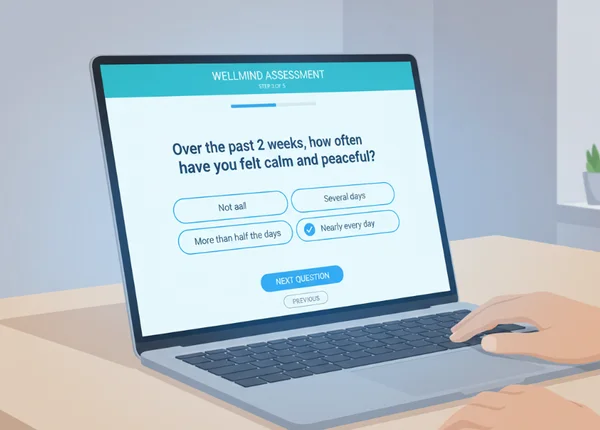
Before searching for more answers on Reddit or forums, consider taking a safe, structured step to organize your thoughts. Access Your Personalized Trauma Analysis to gain deeper insights into your symptoms and prepare for a meaningful conversation with a mental health professional.
Frequently Asked Questions
What are the most common CPTSD triggers?
CPTSD triggers are often subtle and highly personalized. Common triggers include feeling trapped, experiencing a tone of voice that mimics a past abuser, facing perceived rejection, or encountering situations where you feel a sudden loss of control. These triggers immediately signal your brain that you are in danger, even when you are perfectly safe.
How can a trauma screening tool help clarify your symptoms?
A non-diagnostic trauma screening tool helps you structure your confusing, overwhelming emotions into clear, quantifiable data. By answering standardized questions, you can identify patterns in your behavior and feelings. This organized information gives you a clear starting point to discuss your mental health with a therapist, easing the anxiety of your first appointment.
Disclaimer: This article is for educational purposes only and does not constitute medical advice or a clinical diagnosis. Always consult a qualified mental health professional for evaluations and treatment plans concerning psychological trauma.