Childhood Trauma Symptoms in Adults: Assessment & Proven Healing Paths
Do you sometimes feel anxious for no clear reason? Do relationships often leave you feeling drained or confused? Maybe you have health issues that doctors can't fully explain. Could your childhood experiences be affecting your adult life? You're not alone. Many adults live with lasting effects from difficult childhood experiences—even if they don't call them "trauma."
If you’ve ever wondered why certain patterns persist in your life, childhood trauma may hold clues. Let’s explore what research reveals. We'll explore:
- Common emotional, physical, and relationship symptoms
- How trauma affects brain development
- Science-backed healing strategies
- When to seek professional help
As you read, remember: Understanding your patterns is the first step toward positive change. Our free online trauma test offers a safe starting point for self-discovery.
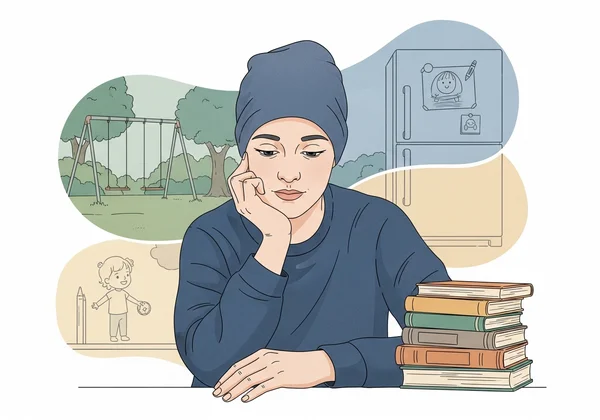
The Long-Term Effects of Childhood Trauma in Adults
Childhood trauma isn't just about extreme abuse. It includes any experience that made you feel unsafe, powerless, or profoundly disconnected. These experiences can reshape how your brain and body respond to stress.
Emotional Symptoms: From Hypervigilance to Numbness
- Constant alertness: You might scan rooms for exits, startle easily, or have trouble relaxing. This is your nervous system stuck in "protection mode."
- Emotional extremes: Unexpected anger, sudden tears, or feeling nothing at all ("emotional numbness").
- Difficulty enjoying life: You might notice joy feels distant or fleeting. Often, an inner voice whispers: ‘Stay ready. Happiness won’t last.’
- Persistent self-doubt: Feeling flawed or undeserving of good things.
"I always thought I was just anxious," shares Maya, 34. "Taking the childhood trauma test helped me connect my constant worrying to growing up with unpredictable parents."
Relationship Patterns: Repeating Childhood Dynamics
Many adults unknowingly recreate familiar relationship patterns:
- Attracting unavailable partners (if emotional neglect was normalized)
- "Walking on eggshells" to avoid conflict
- Staying silent about your needs to keep peace
- Fear of abandonment leading to clingy or distancing behaviors
These patterns aren't character flaws—they're survival strategies you developed when truly powerless.
Physical Toll: When Trauma Lives in the Body
Childhood adversity reshapes the body’s stress response, elevating risks for lifelong health issues, including:
- Chronic pain (fibromyalgia, migraines)
- Autoimmune disorders
- Digestive conditions like IBS
- Heart disease
Trauma expert Dr. Bessel van der Kolk explains: "The body keeps the score. When children can't fight or flee, traumatic energy gets trapped physically."
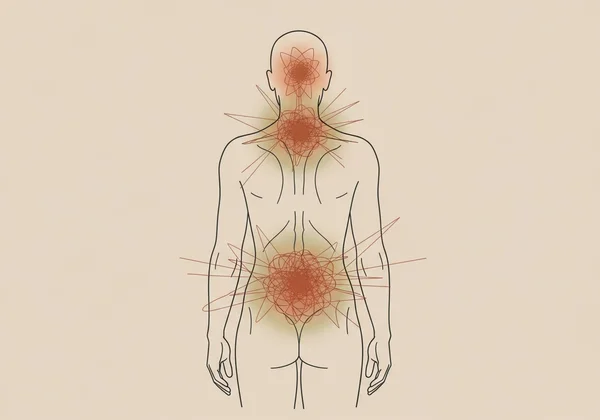
Recognizing Trauma in Daily Life
Case Example: Recognizing Trauma Responses in Daily Life
Alex, 28, thought his exhaustion was just "burnout." His ACE test results revealed high childhood trauma scores. This helped him understand why:
- Office conflicts left him shaking for hours (hypervigilance)
- He'd "blank out" during meetings (dissociation)
- Chronic back pain had no medical cause (physical trauma storage)
Recognizing these as trauma responses—not personal failures—empowered Alex to seek appropriate help.
Science-Backed Pathways to Healing Childhood Wounds
Healing is possible at any age. Modern therapies focus on rewiring trauma's neural pathways while building new coping skills.
How Trauma Therapy Rewires the Brain (Neuroplasticity Explained)
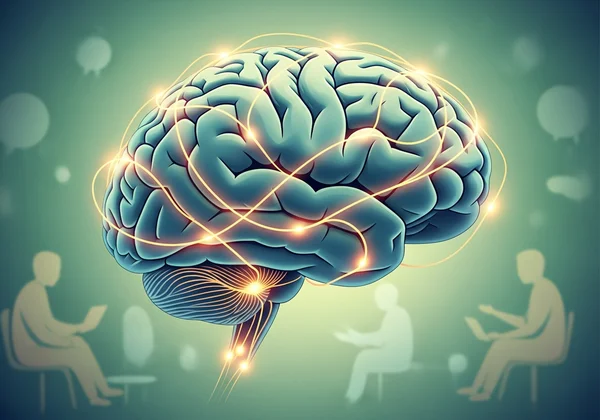
Your brain remains changeable throughout life—this is neuroplasticity. Effective trauma therapies:
- Create safety: Establish emotional and physical stability first
- Process memories: Slowly revisit traumatic material with professional support
- Integrate experiences: Help the brain file memories as "past" rather than "present danger"
For many trauma survivors, therapies like EMDR or somatic therapy offer relief. Most show significant PTSD symptom reduction within 8–12 sessions.
3 Grounding Techniques for Emotional Regulation
Try these immediately when feeling overwhelmed:
-
5-4-3-2-1 Method (Engages senses)
- Name: 5 things you see, 4 you feel, 3 you hear, 2 you smell, 1 you taste
-
Butterfly Hug (Self-soothing):
- Cross arms over chest, tap alternating shoulders slowly
-
Anchor Phrase (Cognitive grounding):
- Repeat: "I'm [Name], age [current age]. I'm safe at [location]."
Pro Tip: Taking our free online trauma test first can help you understand your symptom profile, which helps in choosing the right techniques.
When to Seek Professional Help: Red Flags
Consider consulting a trauma specialist if you experience: ⚠️ Frequent emotional flashbacks (sudden intense shame/terror unrelated to present) ⚠️ Self-harm urges or suicidal thoughts ⚠️ Relationship conflicts causing work/school problems ⚠️ Using substances to numb feelings
Remember: Seeking help isn't weakness. It's like seeing a physical therapist for an old injury—it requires courage and commitment.
Your First Step Toward Understanding Your Story
Many survivors describe their healing journey as finding a language for pain they could never name. Today, you’ve begun claiming that language.
What's next?
- Take our free assessment: The 30-question trauma test helps identify patterns linked to childhood adversity.
- Review your results: Get immediate insight into potential trauma symptoms.
- Choose next steps: From breathing exercises to therapist referral resources.
"The test didn't diagnose me," shares Jake, 41. "But seeing my 'high risk' score finally convinced me to see a therapist. After six months, I feel more present with my kids than I ever thought possible."
Note: This self-test isn't a diagnosis but a compass for your healing journey. If you're in crisis, please contact emergency services or a crisis helpline.

FAQ Section
What Does Unresolved Childhood Trauma Look Like in Adults?
Common signs include:
- Difficulty trusting others
- Extreme reactions to minor stresses
- Feeling "different" or disconnected from people
- Physical symptoms without medical cause
Our trauma response test explores these manifestations through researched questions.
Can Childhood Trauma Cause Physical Health Problems?
Yes. The landmark ACE Study shows that childhood trauma significantly increases risks for heart disease, cancer, and autoimmune disorders. Early trauma keeps the body in chronic "fight or flight" mode, straining all systems.
How Accurate Are Online Trauma Tests?
Quality matters. Our psychological trauma test: ✅ Was developed with mental health experts ✅ Matches screening tools used in clinical settings ✅ Provides risk levels (low/medium/high), not diagnoses
While not substitutes for professional evaluation, such tests validly indicate when further assessment is advisable.
Can You Heal Childhood Trauma Without Therapy?
While supportive relationships and self-care help, complex trauma usually requires professional guidance. Think of it like learning a language: Books can teach basics, but fluency comes through conversation practice (therapy). Our AI analysis report can suggest personalized first steps whether you choose therapy or not.
Your story deserves understanding. Start your path toward healing with a free, confidential assessment at TraumaTest.org.