Understanding Trauma: Key Insights from Trauma Tests and Symptoms
This questionnaire is for informational purposes only and is not intended to function as a psychological or psychiatric assessment. These results are not designed to replace a clinical diagnosis. A diagnosis of a psychiatric disorder requires extensive evaluation by a trained professional. Quizzes like this are meant for self-reflection and are not diagnostic tools.
Are you struggling with the lingering effects of past trauma? Trauma, especially when experienced during childhood, can have a profound impact on your life. Whether it’s complex trauma or specific events that continue to affect your emotional well-being, understanding your experiences is the first step towards healing. Our trauma test is designed to help you gain insights into how past experiences may be influencing your present life.
Why Take a Trauma Test?
Trauma can manifest in various ways, from anxiety and depression to difficulty in forming healthy relationships or managing stress. You might find yourself asking:
- Why do I feel overwhelmed in certain situations?
- Why do I struggle with trust or intimacy?
- Why do I have recurring negative thoughts or emotions that seem tied to past events?
These are common questions for those who have experienced trauma. Our free online test helps you explore these patterns and provides a clearer understanding of the root causes of your challenges.
What is Trauma? An Overview of Its Impact and How Trauma Tests Help
Trauma is more than just a response to a distressing event. It can be a deeply ingrained pattern that affects every aspect of your life. For some, this may involve a single traumatic event, while for others, it may be a series of experiences that have compounded over time, known as complex trauma.
Post-Traumatic Stress Disorder (PTSD) is a psychiatric mental health condition that arises due to traumatic experiences, such as:
- Physical abuse
- Emotional abuse
- Domestic violence
- Sexual assault
Complex PTSD (CPTSD), a more severe form, often involves higher co-morbidities and can be even more debilitating. The nature of the traumatic event, individual characteristics, and sociocultural context all influence the impact of trauma.
Children and elderly individuals are particularly vulnerable to the effects of trauma. Children might show impulsiveness or aggression, while the elderly might display symptoms that differ significantly from those observed in younger adults. Trauma can also disrupt interpersonal relationships, leading to feelings of mistrust and isolation. Immediate reactions to trauma often include confusion, anxiety, and emotional numbness, whereas delayed reactions can manifest as sleep disorders and persistent anxiety.
Resilience plays a crucial role in how individuals cope with trauma, with many people recovering effectively despite initial distress. However, some may turn to self-medication or avoidance behaviors, which can reinforce feelings of danger and exacerbate anxiety over time. Understanding these impacts is vital for recognizing and addressing the negative effects of trauma on mental health.
1. What Are the Different Types of Trauma?
Understanding the different types of trauma is crucial for accurate self-assessment and seeking appropriate support. A trauma test can help you identify which type of trauma might be affecting you.
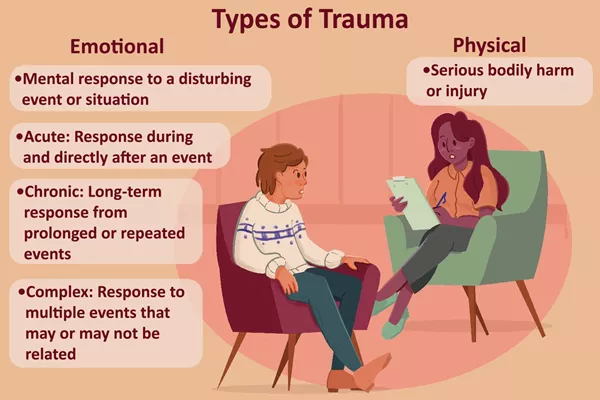
- Acute Trauma: Results from a single incident, such as an accident, assault, or natural disaster.
- Chronic Trauma: Stems from repeated and prolonged exposure to distressing events, such as abuse or domestic violence.
- Complex Trauma: Involves exposure to multiple traumatic events, often of an invasive, interpersonal nature, during childhood or later in life.
Our online assessment is tailored to identify the type of trauma you may have experienced and how it continues to affect you. By taking the trauma test, you can uncover patterns related to your emotional and psychological state, offering a pathway to healing.
Physical trauma
Physical trauma involves harm to the body resulting from accidents, injuries, or physical assault. The effects can range from temporary pain to long-term disabilities.
Emotional trauma
Emotional trauma arises from emotionally distressing events that overwhelm a person's ability to cope. Examples include witnessing violence, experiencing loss, or enduring severe emotional abuse.
Psychological trauma
Psychological trauma occurs when a person experiences events that threaten their sense of safety, self-worth, and overall well-being. These events can lead to lasting psychological distress.
2. How Does Trauma Affect Mental Health and Behavior?
Trauma can significantly alter mental health and behavior. Recognizing these effects is an essential step towards healing and recovery. Understanding the potential impact of trauma and consider taking a CPTSD Test to better understand your condition..
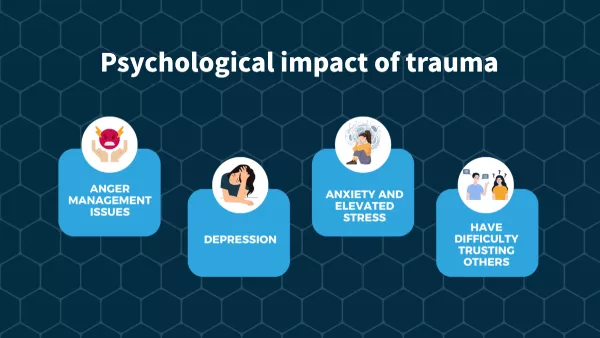
- Trauma can lead to anxiety disorders, depression, and substance abuse.
- It can affect relationships, work performance, and overall life satisfaction.
- Recognizing these effects is the first step towards seeking appropriate help and support.
Mental health trauma
Mental health trauma refers to the psychological impact of traumatic experiences on an individual's emotional and cognitive well-being.
Signs and symptoms of trauma
Common signs and symptoms of trauma include anxiety, depression, flashbacks, nightmares, emotional numbness, and difficulty concentrating.
Trauma-related behavioral changes
Trauma-related behavioral changes may include avoidance behaviors, irritability, hypervigilance, self-destructive behaviors, and difficulty forming healthy relationships.
3. What Are the 4 Trauma Responses?
Understanding the four trauma responses—fight, flight, freeze, and fawn—can help you recognize how you react to stressful situations and begin to address underlying trauma. This is a key aspect addressed in our trauma test.
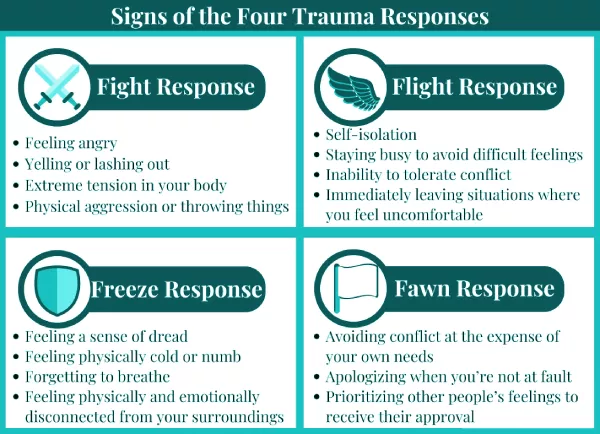
- Fight: Responding aggressively to perceived threats.
- Flight: Attempting to escape the situation.
- Freeze: Becoming immobilized and unable to act.
- Fawn: Seeking to please others to avoid conflict.
Fight response
The fight response involves confronting a perceived threat with aggression or resistance, often stemming from a surge of adrenaline and a need to protect oneself.
Flight response
The flight response entails attempting to escape from a threatening situation, either physically or emotionally, to avoid harm or danger.
Freeze response
The freeze response is a state of immobility where a person feels paralyzed and unable to react, often resulting from overwhelming fear or shock during a traumatic event.
Fawn response
The fawn response involves seeking to please or appease others in order to avoid conflict or harm, often resulting from a history of abuse or neglect where compliance was necessary for survival.
4. Complex PTSD vs PTSD: What’s the Difference?
Understanding the difference between Complex PTSD (CPTSD) and PTSD is crucial for receiving the correct diagnosis and treatment. If you suspect you have CPTSD, consider taking our complex PTSD quiz for initial insights.
- PTSD typically results from a single traumatic event, while CPTSD arises from prolonged or repeated trauma.
- CPTSD encompasses a broader range of symptoms, including difficulties with emotional regulation, self-perception, and interpersonal relationships.
- Our quiz can help you identify symptoms associated with CPTSD and understand their connection to your past experiences.
Symptoms of PTSD
Symptoms of PTSD include intrusive thoughts, flashbacks, nightmares, avoidance behaviors, hyperarousal, and negative changes in mood and cognition following a traumatic event.
Symptoms of Complex PTSD
Symptoms of Complex PTSD encompass those of PTSD, along with additional issues such as difficulties with emotional regulation, self-perception, interpersonal relationships, and a distorted sense of self.
Treatment and management differences
Treatment for PTSD typically focuses on processing the traumatic event, while treatment for Complex PTSD addresses the broader range of symptoms, often involving a combination of trauma-focused therapy, skills training, and relationship-based approaches.
5. How Can Trauma Tests Help in Identifying Symptoms?
Trauma tests are valuable tools for understanding one’s mental health by identifying symptoms associated with trauma. Use our free assessment to learn more about your mental health and the potential presence of trauma-related conditions.
- Trauma tests help identify symptoms such as hyperarousal, difficulty sleeping, flashbacks, and emotional dysregulation.
- They can provide insights into how past experiences are affecting your present life and relationships.
- While not a substitute for professional diagnosis, they can encourage individuals to seek further evaluation by a licensed mental health professional.
Using trauma tests
Using trauma tests involves answering questions about past experiences and current symptoms to assess the potential presence and impact of trauma-related conditions.
Interpreting your test results
Interpreting your test results involves understanding the scores and feedback provided to gain insights into potential trauma-related symptoms and their impact on your mental health.
When to seek professional help
Seeking professional help is recommended when trauma test results indicate significant distress or symptoms that interfere with daily functioning, as a licensed mental health professional can provide accurate diagnosis and appropriate treatment.
6. What Are the 17 Symptoms of Complex PTSD?
Complex PTSD manifests with a range of symptoms that can significantly impact daily life. Recognizing these symptoms is the first step towards seeking appropriate support. Our trauma quiz includes questions designed to identify these symptoms.

- Emotional Dysregulation: Difficulty managing emotions, leading to mood swings or intense reactions.
- Distorted Self-Perception: Negative beliefs about oneself, feeling worthless or defective.
- Relationship Difficulties: Struggles with trust, intimacy, and forming healthy relationships.
- Dissociation: Feeling detached from one's body, emotions, or reality.
- Physical Symptoms: Unexplained pain, fatigue, or other physical ailments.
- Suicidal Ideation: Thoughts of self-harm or suicide.
- Difficulty Concentrating: Trouble focusing on tasks or remembering information.
- Flashbacks: Reliving traumatic events as if they were happening again.
- Nightmares: Disturbing dreams related to past trauma.
- Hypervigilance: Constantly feeling on edge or unsafe.
- Avoidance Behaviors: Steering clear of people, places, or situations that trigger memories of trauma.
- Loss of Identity: Confusion about who one is or one's place in the world.
- Feeling Empty or Numb: A lack of emotional feeling or difficulty experiencing joy.
- Chronic Shame or Guilt: Persistent feelings of worthlessness or regret.
- Difficulty with Trust: Inability to trust others due to past betrayal or abuse.
- Impulsivity: Acting without thinking, leading to risky or self-destructive behaviors.
- Relationship Problems: Difficulty maintaining stable and healthy relationships.
Common signs of Complex PTSD
Common signs of Complex PTSD include emotional dysregulation, distorted self-perception, relationship difficulties, dissociation, and physical symptoms.
Self-assessment for Complex PTSD
Self-assessment for Complex PTSD involves reviewing symptoms and experiences to determine if they align with the criteria for CPTSD, often using checklists or questionnaires as a starting point for self-reflection.
Summary and Next Steps: How to Use a Trauma Test for Self-Reflection
In summary, understanding trauma and its various forms is crucial for identifying symptoms and seeking appropriate support. Taking a trauma test can be a valuable first step in this process. Use the results for self-reflection, and consider reaching out to a licensed mental health professional for further assessment and support.
FAQ Section:
What is PTSD and how does it differ from complex PTSD?
PTSD typically results from a single traumatic event and includes symptoms like flashbacks, nightmares, and hyperarousal. Complex PTSD arises from prolonged or repeated trauma and encompasses a broader range of symptoms, including difficulties with emotional regulation, self-perception, and interpersonal relationships.
Are trauma tests legitimate and accurate for diagnosis?
Trauma tests are screening tools that can help identify potential symptoms of trauma but are not a substitute for professional diagnosis. They should be used for self-reflection and as a starting point for seeking further evaluation by a licensed mental health professional.
How does childhood trauma manifest in adults?
Childhood trauma can manifest in adults through various symptoms, including attachment issues, emotional dysregulation, negative core beliefs, and PTSD symptoms. A childhood trauma quiz can help identify these issues and understand their origins.