Fight, Flight, Freeze, Fawn: Understanding Your Trauma Response with a Free Trauma Test
(Please remember: This information is intended for educational purposes only and should not be considered a substitute for professional medical advice. If you are experiencing symptoms of trauma, please consult with a qualified mental health professional.)
Have you ever wondered why you react to stressful situations the way you do? Understanding the underlying reasons behind your responses is crucial for healing. Trauma, deeply impacting mental, emotional, and even physical well-being, triggers a range of reactions, often categorized into fight, flight, freeze, and fawn. These are more than just labels; they're glimpses into your inherent survival mechanisms. A trauma test can be a powerful tool in identifying your dominant response patterns and understanding how they influence your life.
Why Recognizing Your Trauma Response Matters
Knowing your typical trauma response isn't about diagnosing yourself. It's about gaining self-awareness, empowering you to:
- Recognize triggers and anticipate your reactions
- Develop healthier coping strategies
- Break free from ingrained patterns that may be holding you back
- Cultivate self-compassion and understanding
Understanding the Four Trauma Responses: A Deeper Dive
These responses are not conscious choices but rather automatic reactions rooted in our evolutionary history. Let's explore each one in detail:
Fight: The Aggressive Protector
This response manifests as confrontation, anger, and irritability. Individuals may experience a surge of adrenaline, increased heart rate, and a heightened sense of energy.
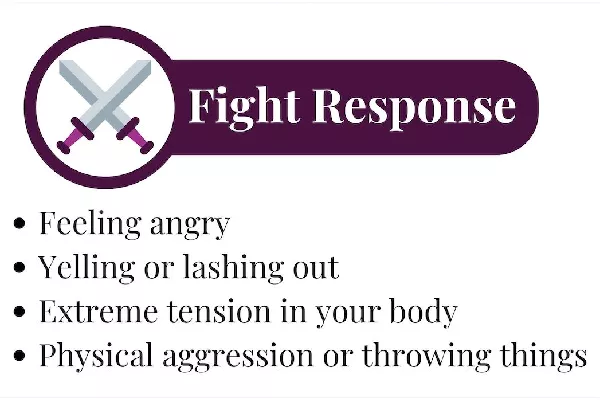
What it might look like: You find yourself arguing frequently, becoming easily angered by minor inconveniences, or feeling a constant need to be right. You might have a history of impulsive or aggressive behavior.
Coping Strategies:
- Channel that energy: Engage in physically demanding activities like running, boxing, or weightlifting to safely release pent-up aggression.
- Practice mindful anger management: Learn techniques to recognize anger triggers early and implement calming strategies like deep breathing exercises or progressive muscle relaxation.
- Seek professional guidance: Therapy can help explore the root causes of your anger and develop healthier coping mechanisms.
Flight: The Elusive Escapist
The flight response is characterized by an overwhelming urge to escape or avoid traumatic situations. It often manifests as anxiety, panic, and a need to flee.
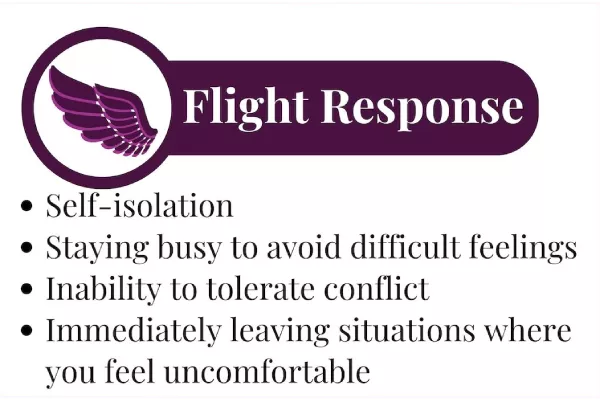
What it might look like: You avoid social gatherings, withdraw from close relationships, or constantly seek distractions to escape uncomfortable feelings. You might have a history of abruptly quitting jobs or moving frequently.
Coping Strategies:
- Grounding techniques: Practice mindfulness exercises, focusing on your senses to stay present and reduce feelings of panic. Engage in activities that connect you to the physical world, such as gardening or spending time in nature.
- Create a safe haven: Designate a space where you can retreat when feeling overwhelmed. Fill it with comforting objects, soothing colors, and calming sensory experiences.
- Cognitive Behavioral Therapy (CBT): Work with a therapist to identify and challenge avoidance patterns and develop more adaptive coping mechanisms.
Freeze: The Immobilized Survivor
The freeze response is often described as a state of paralysis, where individuals feel stuck, numb, or disconnected from their surroundings.
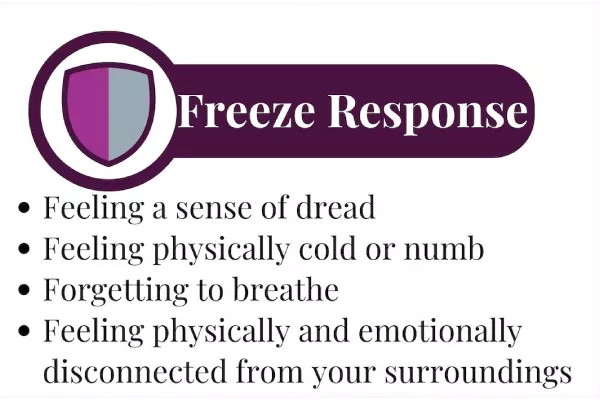
What it might look like: You often feel "stuck" in life, have difficulty making decisions, or experience periods of emotional numbness. You might struggle to articulate your thoughts and feelings.
Coping Strategies:
- Gentle movement: Engage in activities that reconnect you with your body, such as stretching, yoga, or tai chi.
- Mindfulness and sensory awareness: Practice focusing on your senses – the feeling of your feet on the ground, the sound of your breath – to reconnect with the present moment.
- Trauma-focused therapies: Seek professional support to process feelings of disconnection and develop strategies for regaining a sense of agency.
Fawn: The People-Pleasing Appeaser
This less commonly discussed response involves a tendency to please or appease others to avoid conflict or further trauma.
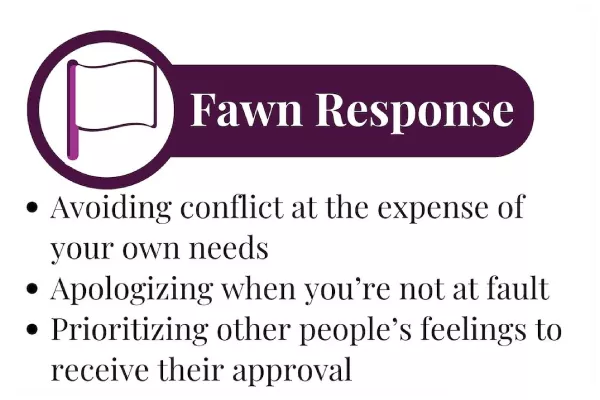
What it might look like: You have difficulty setting boundaries, prioritize the needs of others above your own, and often feel responsible for the emotions of those around you. You might have a history of being overly compliant or submissive.
Coping Strategies:
- Assertiveness training: Learn to express your needs and opinions respectfully and confidently.
- Boundary setting: Practice saying "no" and establishing clear limits in your relationships.
- Therapy and support groups: Explore patterns of people-pleasing behavior and develop healthier coping strategies in a safe and supportive environment.
Embarking on Your Healing Journey: Actionable Steps You Can Take
Understanding your trauma response is just the first step. The real work lies in developing strategies to manage these responses and heal from the underlying trauma.
-
Seek Professional Guidance: A therapist specializing in trauma can provide tailored support and guidance.
-
Build a Supportive Network: Connect with friends, family, or support groups to reduce feelings of isolation and receive emotional support.
-
Prioritize Self-Care: Engage in activities that promote physical and emotional well-being, such as exercise, healthy eating, and adequate sleep.
-
Practice Self-Compassion: Be patient with yourself, recognize small victories, and remember that healing is a process, not a destination.
Important Note: The methods mentioned in this article are common approaches discussed online. While self-help strategies can be beneficial, it's crucial to seek guidance from qualified mental health professionals for a personalized treatment plan. The remaining methods on this site are for reference and educational purposes only.
How Our Trauma Test Can Help
Our online trauma test isn't a diagnosis, but it's a valuable tool for self-discovery. It can help you:
- Identify your dominant trauma response patterns.
- Gain insights into how past experiences are impacting your present life.
- Determine which coping strategies might be most effective for you.
- Take the first step toward a more empowered and fulfilling life.
Take control of your healing journey today. Understand yourself better and start building resilience with our free trauma assessment.